


Tokenized Marketplace Cryptocurrency
Introduction
In the rapidly evolving digital economy, cryptocurrency continues to revolutionize traditional financial paradigms. Among the various applications of cryptocurrencies, tokenized marketplaces are emerging as a compelling innovation. These marketplaces employ blockchain technology to facilitate secure, efficient, and transparent transactions of digital assets. As cryptocurrencies become more mainstream, tokenized marketplaces promise to reshape how we approach ownership and exchange of value in the digital world. This article delves into the fundamentals of tokenized marketplace cryptocurrency, exploring its mechanisms, advantages, challenges, and future prospects.
Understanding Tokenized Marketplaces
At its core, a tokenized marketplace is a decentralized platform that uses tokenization—a process where tangible or intangible assets are converted into digital tokens on a blockchain. These tokens act as representations of real-world assets, ranging from real estate and art to commodities and intellectual property. The marketplace itself enables the buying, selling, and trading of these tokens, creating a parallel digital economy.
Tokenization offers several benefits. Firstly, it increases liquidity, as digital tokens can be easily bought, sold, or traded on blockchain networks without geographical constraints. This newfound liquidity allows traditionally illiquid assets, like real estate or fine art, to be divided into smaller units and made accessible to a broader base of investors. Additionally, tokenization enhances transparency, as all transactions are recorded on a public ledger, reducing the risk of fraud and manipulation.
Mechanisms of Tokenized Marketplaces
Tokenized marketplaces operate on blockchain technology, utilizing smart contracts to automate and ensure the veracity of transactions. Smart contracts are self-executing contracts with the terms of the agreement written into code. They remove the need for intermediaries, often resulting in lower transaction costs and faster processing times.
The process begins with asset tokenization, where assets are assessed and divided into digital tokens using protocols like Ethereum’s ERC-20 or ERC-721 standards. Once tokenized, these assets become part of a larger marketplace where they can be listed for purchase or trade. Buyers interested in acquiring tokens can do so through negotiations or auctions, facilitated by smart contracts. Upon completion, transactions are recorded on the blockchain, providing an immutable record accessible to all participants.
Advantages of Tokenized Marketplaces
The tokenized marketplace offers several significant advantages. First and foremost, it democratizes investments by breaking down high-value assets into smaller fragments, thereby lowering the barrier to entry for retail investors. Individuals who previously could not afford to invest in assets like commercial property can now purchase tokenized shares, diversifying their investment portfolios with relative ease.
In addition, tokenized marketplaces enhance market efficiency. By eliminating intermediaries and reducing paperwork, tokenized transactions are streamlined, resulting in lower costs and faster executions. This efficiency can attract more participants to the market, fostering a more competitive and vibrant trading environment.
Moreover, tokenized marketplaces increase transparency and security. The use of blockchain technology ensures that all transactional data is recorded in a transparent, decentralized manner. This transparency helps to build trust among participants, with all actions visible and verifiable, thus reducing the potential for unethical conduct.
Challenges Facing Tokenized Marketplaces
Despite their potential, tokenized marketplaces face several challenges. Regulatory uncertainty is one of the most significant hurdles. As the regulatory landscape for cryptocurrencies varies widely across different jurisdictions, marketplaces must navigate these complexities to ensure compliance, which can be both time-consuming and costly.
Furthermore, technological hurdles must be considered. Blockchain networks can face scalability issues, particularly in processing large volumes of transactions quickly. This limitation can lead to slower transaction times and higher costs during periods of peak demand, potentially deterring participants from engaging in the marketplace.
Moreover, security remains a pivotal concern. While blockchain itself is inherently secure, the platforms and exchanges that facilitate the buying and selling of tokens can be vulnerable to hacking and cyberattacks, threatening the safety of digital assets.
The Future of Tokenized Marketplaces
The future of tokenized marketplaces appears promising, as technological advancements and increasing acceptance of cryptocurrencies continue to drive innovation in this space. Efforts to resolve the regulatory ambiguities are underway, with many jurisdictions recognizing the need for clear guidelines that balance innovation and consumer protection.
Moreover, technological progress, such as advancements in blockchain scalability and security, is expected to overcome current limitations, making tokenized marketplaces more accessible and efficient. The integration of technologies like artificial intelligence and the Internet of Things may further enhance these platforms, enabling predictive trading, automated compliance, and personalized investment strategies.
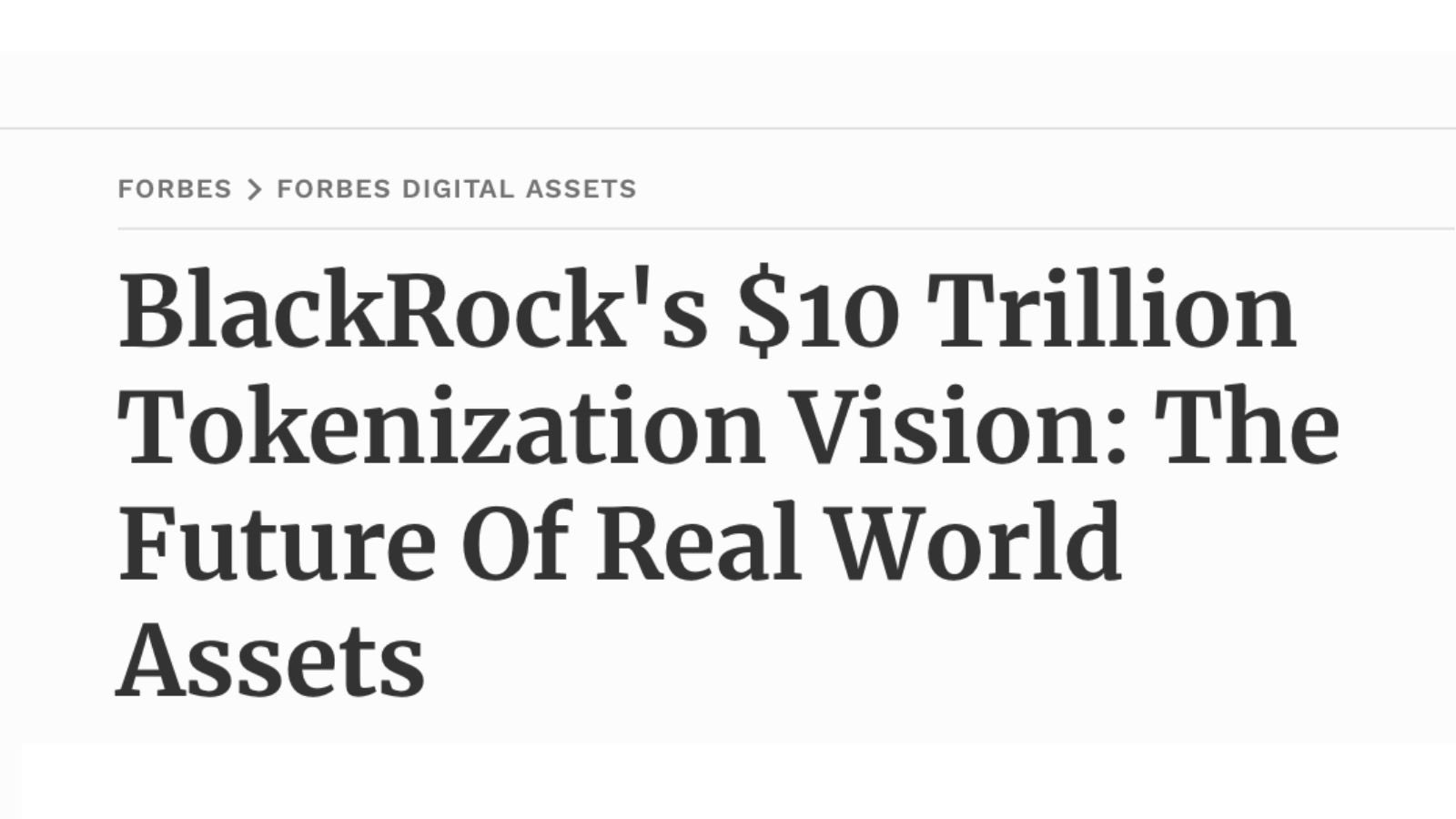
Collaboration between traditional financial institutions and blockchain companies is increasing, indicating a growing acceptance and integration of tokenized solutions within mainstream finance. This trend could signal the beginning of a new era where tokenized assets coexist seamlessly with traditional financial instruments, offering enhanced liquidity, transparency, and investment opportunities to individuals and institutions alike.
Conclusion
Tokenized marketplaces represent a transformative step in the evolution of the digital economy, offering a new way to approach asset ownership and trading. Their ability to provide liquidity, transparency, and accessibility positions them as groundbreaking tools in modern finance. However, challenges such as regulatory uncertainty, technological scalability, and security must be addressed to unlock their full potential. As the ecosystem matures, continued innovation and collaboration will likely pave the way for tokenized marketplaces to become integral components of the global financial landscape, enabling a more inclusive and efficient market for all. Whether you are a seasoned investor or a curious onlooker, keeping an eye on this burgeoning field could yield valuable insights into the future of asset trading and investment.


