


Tokenized Marketplace Digital Currency
Introduction
In recent years, the financial world has witnessed a significant transformation driven by blockchain technology and the rise of digital currencies. Among the many novel applications of this technology is the emergence of tokenized marketplaces, where digital currencies serve as a medium of exchange. This article explores the concept of tokenized marketplaces, the role of digital currency within them, and the potential benefits and challenges they present to various industries.
Understanding Tokenized Marketplaces
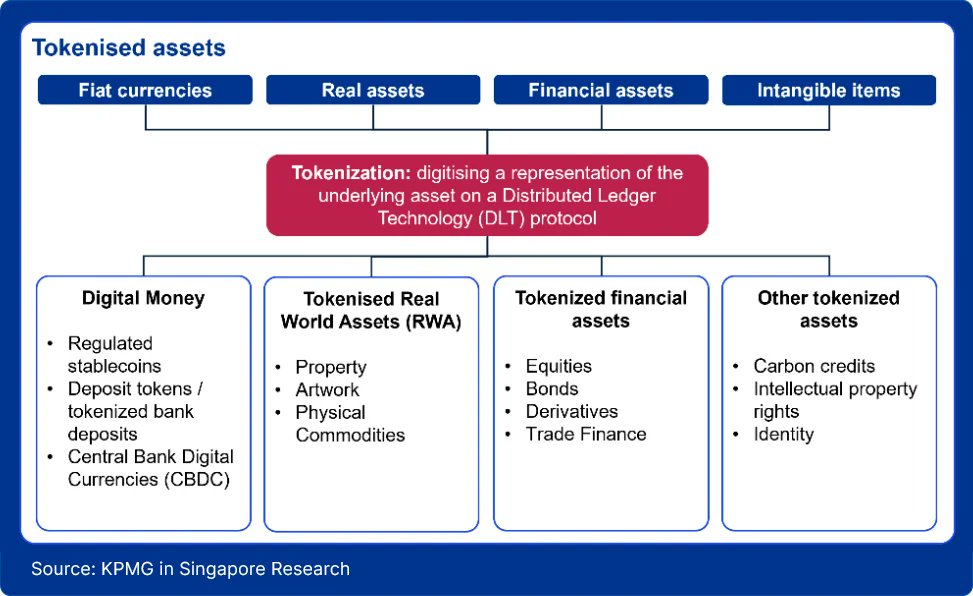
A tokenized marketplace is a digital platform where assets are represented by tokens that can be bought, sold, and traded. These tokens, backed by blockchain technology, provide a digital representation of ownership or rights to a particular asset, which can range from real estate and art to digital goods and services. The concept is built on the premise of tokenization—converting physical or digital assets into tokens that can be transacted using a digital ledger, enabling more fluid and efficient exchanges.
The integration of digital currency in these environments facilitates seamless transactions. Unlike traditional marketplaces that rely on fiat currencies and banking systems, tokenized marketplaces leverage digital currencies, which can be cryptocurrencies like Bitcoin or Ethereum, or proprietary digital currencies developed specifically for the marketplace. This shift towards digital currencies aims to reduce transaction costs, increase liquidity, and enable global participation by overcoming geographical and regulatory barriers.
The Role of Digital Currency
In tokenized marketplaces, digital currency serves as the primary medium of exchange, streamlining the buying and selling process. These currencies are often baked into smart contracts, which are self-executing contracts with terms directly written into code, allowing for automated execution of agreements once certain conditions are met. This reliance on blockchain and smart contracts fosters greater transparency and trust among participants, as each transaction is securely recorded and verified.
Moreover, digital currencies bring the advantage of fast transaction speeds and lower fees compared to traditional banking systems. This efficiency is particularly appealing in industries that require frequent and high-value transactions, such as real estate or investment markets. Additionally, digital currencies can be fractionalized, allowing investors to purchase portions of high-value assets, thus democratizing access to investment opportunities that were previously out of reach for smaller investors.
Benefits of Tokenized Marketplaces
Tokenized marketplaces offer a host of benefits that appeal to both consumers and businesses. First and foremost, they enhance liquidity by allowing fractional ownership, thus making it easier to sell a portion of an asset without the need to dispose of it entirely. This liquidity is crucial in markets like real estate, where assets are traditionally illiquid and transactions can be cumbersome and time-consuming.
Additionally, the transparency afforded by blockchain technology helps reduce fraud and errors, as each transaction is immutably recorded and accessible for auditing. This transparency fosters greater trust among marketplace participants and can lead to increased adoption and participation. The global nature of tokenized marketplaces also allows for a wider pool of buyers and sellers, promoting competitive pricing and a more dynamic market.
Challenges and Considerations
Despite the promising advantages, the integration of digital currency in tokenized marketplaces is not without challenges. Regulatory uncertainty remains one of the primary hurdles, as different jurisdictions grapple with how to classify and regulate digital currencies and tokenized assets. This lack of regulatory clarity can deter institutional investors and hinder widespread adoption.
Furthermore, the volatility associated with many cryptocurrencies poses a significant risk. Price fluctuations can impact the stability of transactions and asset valuations within tokenized marketplaces, introducing an element of unpredictability that can be off-putting for risk-averse investors. To mitigate this, some marketplaces are exploring the use of stablecoins, which are pegged to traditional currencies or assets to maintain a stable value.
Security is another crucial consideration. While blockchain technology is inherently secure, the surrounding infrastructure, such as digital wallets and exchanges, can be vulnerable to cyberattacks. Ensuring robust security measures and insurance mechanisms are in place is essential to protect participants and their assets.
The Future of Tokenized Marketplaces
As technological advancements continue to shape the financial landscape, the potential of tokenized marketplaces is vast. Innovations in blockchain technology, such as improved scalability and interoperability, could address some of the current limitations and open new avenues for tokenization. Emerging concepts like decentralized finance (DeFi) are also influencing how tokenized assets are lent, borrowed, and traded, further expanding the utility of these marketplaces.
Moreover, industry-specific applications are being explored, as tokenized marketplaces can be tailored to cater to unique needs. For instance, the music industry is examining tokenization as a way to streamline royalty distribution and empower artists and fans alike. Similarly, the art industry can use tokenization to offer provenance and fractional ownership of artworks, making art investment more accessible.
Conclusion
In conclusion, tokenized marketplaces and digital currency are at the forefront of a transformative shift in how assets are exchanged and valued. By leveraging blockchain technology, these marketplaces offer increased liquidity, transparency, and global accessibility, challenging traditional market paradigms. While regulatory, volatility, and security concerns remain, ongoing technological and regulatory developments promise to shape a future where tokenized marketplaces become a staple across various industries. Therefore, stakeholders in these ecosystems must stay informed and adaptive to fully harness the potential benefits and address the challenges that tokenized marketplaces present.


