


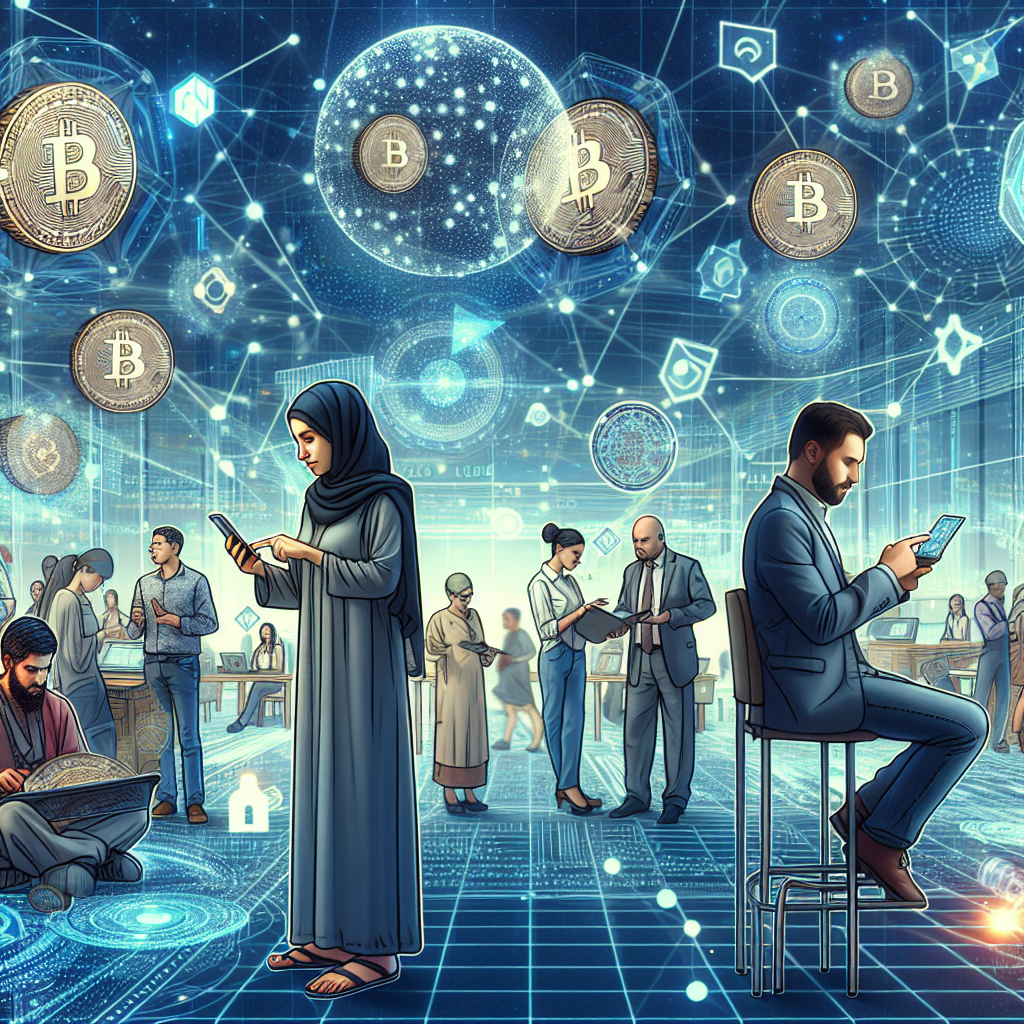
Tokenized Marketplace
Introduction
In recent years, the rise of blockchain technology has given birth to a new form of digital marketplace: the tokenized marketplace. This innovative concept is reshaping the way we view ownership, trade assets, and conduct transactions across various industries. As these marketplaces continue to gain traction, it’s crucial to understand their mechanics, applications, and implications for the future of commerce. In this article, we will delve into the fundamentals of tokenized marketplaces, explore their benefits and challenges, and look at their potential to transform global markets.
Understanding Tokenization
Tokenization is the process of converting rights to an asset into a digital token, which is then stored and managed on a blockchain. This token represents a claim on an actual asset such as real estate, artwork, financial securities, or even intangible assets like intellectual property. By transforming assets into tokens, ownership and value become easily transferable, divisible, and tradeable in a secure, decentralized environment.
These digital tokens serve as the foundation of a tokenized marketplace, acting as unique identifiers for the assets they represent. The blockchain infrastructure ensures transparency, traceability, and immutability, providing a reliable record of ownership and transaction history.
Key Features of Tokenized Marketplaces
Tokenized marketplaces possess several distinct features that differentiate them from traditional online marketplaces. Firstly, they offer enhanced liquidity. By breaking assets into smaller, tradable units, tokenization allows for a more liquid market, making it easier for investors to buy or sell portions of assets at any time.
Additionally, tokenized marketplaces often operate on blockchain platforms, which utilize smart contracts to automate transactions and enforce the terms of agreements. This reduces the need for intermediaries, streamlining processes and lowering costs associated with trading.
Moreover, accessibility is significantly improved. Tokenization opens up investment opportunities to a broader audience, including retail investors who might not have had the means to engage with traditionally illiquid assets. This democratization of access allows for greater participant diversity and inclusivity in the marketplace.
Applications Across Industries
Tokenized marketplaces have found applications across a wide range of sectors, each benefiting from the unique advantages offered by blockchain technology. Real estate is one of the most prominent examples, where properties can be tokenized to allow fractional ownership. This enables individuals to invest in properties without the need for hefty capital and allows property owners to unlock liquidity without selling the entire asset.
In the art world, tokenization empowers artists and collectors by providing a platform for secure sales and reducing the risk of forgery. Through tokenized art, artists can sell shares of their work, while collectors can trade ownership stakes, creating a more dynamic and interconnected market.
The financial sector also benefits significantly from tokenized marketplaces, especially in terms of trading and managing securities. Tokenized securities streamline the issuance, trading, and settlement processes, reducing costs and increasing transaction speed. This enhances market efficiency and attracts a wider range of investors.
Challenges and Considerations
Despite their promising advantages, tokenized marketplaces face several challenges that must be addressed. Regulatory uncertainty remains a significant hurdle, as different jurisdictions have varying approaches to digital assets. The lack of standardized legal frameworks can hinder the widespread adoption of tokenized marketplaces, creating an inconsistent landscape for stakeholders.
Furthermore, security concerns must not be overlooked. While blockchain offers robust security features, the tokenization process introduces new risks related to smart contract vulnerabilities and potential cyber-attacks. It is essential for marketplaces to implement stringent security measures to protect sensitive data and assets.
Additionally, the nascent stage of tokenized marketplaces means that potential participants may lack familiarity and understanding. Education and awareness initiatives are crucial to ensure stakeholders are well-informed about the risks and benefits associated with these platforms.
The Future of Tokenized Marketplaces
Looking ahead, the future of tokenized marketplaces appears promising. As technology continues to evolve, we can expect advancements that address current challenges while unlocking new opportunities. Interoperability among blockchain networks could enhance liquidity and broaden market participation, creating more integrated ecosystems.
Moreover, regulatory developments are likely to clarify the legal landscape, fostering greater confidence and encouraging institutional involvement. As more reputable financial institutions and companies enter the space, tokenized marketplaces will gain legitimacy and appeal across the global economy.
In conclusion, tokenized marketplaces are poised to revolutionize the way assets are traded and owned. By leveraging blockchain technology, they offer increased liquidity, accessibility, and efficiency, presenting a compelling alternative to traditional marketplaces. Despite existing challenges, the potential benefits promise to reshape industries ranging from real estate to finance, ultimately driving technological innovation and economic growth in the digital age.


