


Tokenization
Introduction
In an increasingly digital and interconnected world, tokenization has emerged as a pivotal technological advancement that is reshaping industries and enhancing security. Whether you are a financial analyst, an IT professional, or simply a tech-savvy individual, understanding the concept and applications of tokenization is crucial. This article delves into the intricacies of tokenization, exploring its definition, types, applications, benefits, and challenges. By the end of this piece, you will have a comprehensive understanding of why tokenization is becoming indispensable in today’s digital landscape.
Understanding Tokenization
Tokenization is the process of converting sensitive data into a non-sensitive equivalent called a token. This token can then be used in place of the actual data without exposing it to unauthorized parties. The original data is stored in a secure location, often referred to as a token vault, which can only be accessed by authorized individuals or systems. This technique is crucial in safeguarding information such as credit card numbers, social security numbers, and personal identification numbers.
Types of Tokenization
There are several types of tokenization, each serving different purposes and offering distinct advantages. The two primary categories include payment tokenization and data tokenization:
Payment Tokenization: Widely used in the financial sector, payment tokenization replaces sensitive payment data with non-sensitive tokens. When a customer enters their credit card details for a transaction, the payment token is used instead of sending the actual credit card information over the network, significantly reducing the risk of data breaches.
Data Tokenization: Beyond financial transactions, data tokenization applies to any sensitive information that must be protected, such as personal information or corporate data. By replacing sensitive data elements with tokens, organizations can preserve functionality while maintaining robust security.
Applications of Tokenization
Tokenization is not limited to financial transactions but has a wide array of applications across various sectors:
Retail: Retailers implement tokenization for secure payment processing and to mitigate the risk of data breaches. By tokenizing customer information, retailers protect consumer data and build trust.
Healthcare: In the healthcare industry, tokenization is used to protect patient information, ensuring compliance with regulations such as the Health Insurance Portability and Accountability Act (HIPAA). This helps in maintaining the confidentiality and integrity of patient records.
Real Estate: Real estate transactions involve vast amounts of sensitive data, including financial and personal information. Tokenization ensures that these transactions are executed securely, protecting all parties involved.
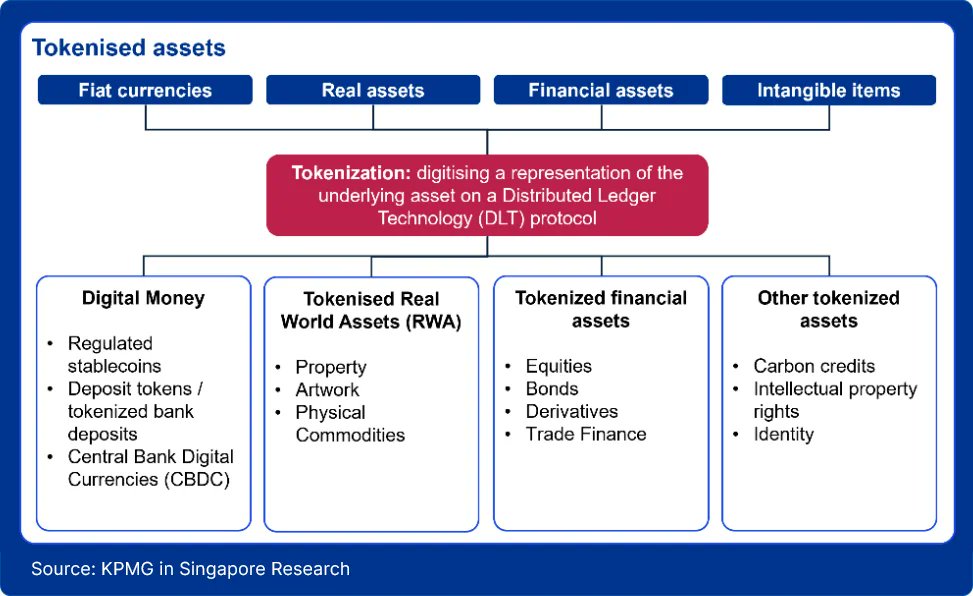
Blockchain and Cryptocurrencies: Tokenization plays a significant role in the blockchain ecosystem. It allows assets to be represented as tokens on a blockchain, facilitating easier trade and transfer of assets. Cryptocurrencies themselves are often created and managed through tokenization.
Benefits of Tokenization
There are several compelling benefits associated with the adoption of tokenization:
Enhanced Security: By substituting sensitive data with tokens, organizations can significantly reduce the risk of data breaches. Even if the tokens are intercepted, they cannot be reverse-engineered without access to the original data.
Regulatory Compliance: Tokenization aids in achieving compliance with data protection regulations. By ensuring that sensitive data is not exposed, companies are better equipped to meet the requirements of laws such as the General Data Protection Regulation (GDPR) and the Payment Card Industry Data Security Standard (PCI DSS).
Reduced Impact of Data Breaches: In the unfortunate event of a data breach, tokenized data holds no intrinsic value. This minimizes the financial and reputational damage that could occur if raw data were compromised.
Operational Efficiency: With secure data management, organizations can streamline operations, focusing on their core activities without the constant concern of data vulnerability.
Challenges and Considerations
Despite its advantages, tokenization is not without its challenges:
Implementation Costs: Implementing a tokenization system requires investment in technology and training. Organizations must weigh these costs against the potential benefits to ensure a favorable return on investment.
Complexity: Depending on the volume of data and the industry, tokenization systems can become complex. Managing and maintaining these systems require skilled personnel and robust infrastructure.
Interoperability: Ensuring that tokenization systems work seamlessly with existing technologies is crucial. Compatibility issues can lead to operational inefficiencies and increased costs.
Conclusion
In conclusion, tokenization is a transformative technology with the potential to enhance security, protect privacy, and streamline operations across various industries. Although challenges exist, the benefits of implementing tokenization far outweigh the drawbacks, especially in a world where data breaches and cyber threats are increasingly prevalent. As businesses continue to navigate the digital era, understanding and leveraging tokenization will be pivotal in safeguarding sensitive information and maintaining customer trust. By embracing tokenization, organizations not only protect their data but also position themselves as leaders in privacy and security, setting a precedent for technological innovation and ethical data management.


