


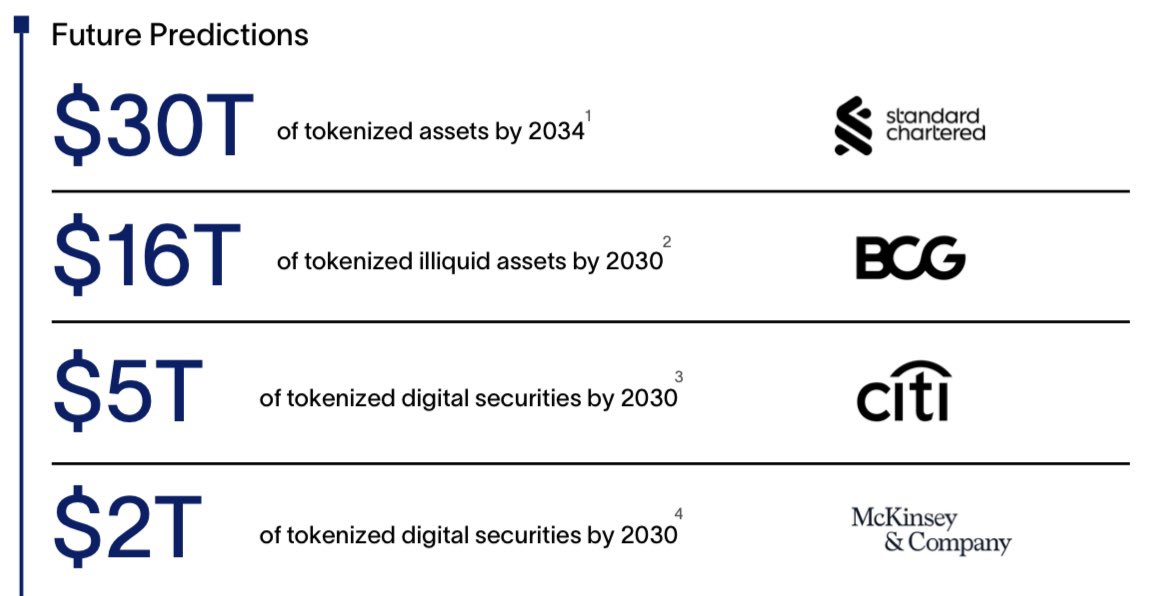
Tokenized Marketplace: The Future of Virtual Marketplaces
Introduction
The world is rapidly evolving, and technology is playing a significant role in shaping the future. One such innovation that is gaining traction is the concept of tokenized marketplaces. These marketplaces are virtual platforms that enable the buying and selling of goods and services using digital tokens. This article will explore the concept of tokenized marketplaces, their benefits, and how they are transforming the traditional marketplace.
What is a Tokenized Marketplace?
A tokenized marketplace is a digital platform that enables the buying and selling of goods and services using digital tokens. These tokens are cryptographically secured and can be traded on blockchain networks. The tokens represent ownership or access to specific assets, such as real estate, art, or commodities. The marketplace provides a secure and transparent platform for buyers and sellers to interact, negotiate, and complete transactions.
Benefits of Tokenized Marketplaces
1. Increased Liquidity
One of the significant benefits of tokenized marketplaces is increased liquidity. Traditional marketplaces often have illiquid assets, making it challenging to sell them quickly. Tokenized marketplaces, on the other hand, provide a more liquid market, as the tokens can be easily traded on blockchain networks. This increased liquidity makes it easier for buyers and sellers to find counterparties and complete transactions.
2. Reduced Transaction Costs
Another benefit of tokenized marketplaces is reduced transaction costs. Traditional marketplaces often have high transaction costs, including brokerage fees, legal fees, and administrative costs. Tokenized marketplaces, on the other hand, have lower transaction costs due to the elimination of intermediaries. The use of smart contracts on blockchain networks also reduces the need for legal and administrative fees.
3. Increased Efficiency
Tokenized marketplaces are also more efficient than traditional marketplaces. The use of blockchain networks enables faster and more secure transactions, as the smart contracts automatically execute the terms of the agreement. This increased efficiency reduces the time and resources required to complete transactions, making it more convenient for buyers and sellers.
4. Increased Accessibility
Tokenized marketplaces also provide increased accessibility to buyers and sellers. Traditional marketplaces often have geographic limitations, making it challenging for buyers and sellers in different locations to interact. Tokenized marketplaces, on the other hand, are accessible from anywhere in the world, as long as there is an internet connection. This increased accessibility makes it easier for buyers and sellers to find counterparties and complete transactions.
Examples of Tokenized Marketplaces
1. Real Estate
One example of a tokenized marketplace is the real estate industry. Tokenized real estate enables fractional ownership of properties, making it easier for investors to diversify their portfolios. The tokens represent ownership in the property, and the marketplace provides a platform for buyers and sellers to interact.
2. Art
Another example of a tokenized marketplace is the art industry. Tokenized art enables the buying and selling of art using digital tokens. The tokens represent ownership or access to specific artworks, and the marketplace provides a platform for buyers and sellers to interact.
3. Commodities
Tokenized commodities enable the buying and selling of commodities using digital tokens. The tokens represent ownership or access to specific commodities, such as gold or oil, and the marketplace provides a platform for buyers and sellers to interact.
Conclusion
Tokenized marketplaces are transforming the traditional marketplace by providing increased liquidity, reduced transaction costs, increased efficiency, and increased accessibility. The use of digital tokens and blockchain networks enables faster and more secure transactions, making it more convenient for buyers and sellers. As the technology continues to evolve, we can expect to see more industries adopt tokenized marketplaces, providing new opportunities for investors and entrepreneurs. The future of virtual marketplaces is bright, and tokenized marketplaces are leading the way.


